

Disordered eating therapy in California — for the food math.
Online therapy in California for disordered eating, restriction, binge cycles, and body image — weight-inclusive, non-diet, body-respectful care for adults in their 20s and 30s.
Disordered eating is not always about the food. Clinically, it is a relationship with food and body that has organized itself around one of three functions — control, regulation, or worth — and become the way you manage something that lives underneath. It doesn't have to meet criteria for a named eating disorder (anorexia, bulimia, binge eating disorder) to be worth treating; much of what quietly runs a life is sub-clinical, and often disguised as wellness. Treatment is weight-inclusive, non-diet, and body-respectful — the goal is not a different body but a life that is no longer organized around food.
The short version.
- What we treat — restriction, binge cycles, the food math, compensatory exercise, body-image distress, and sub-clinical patterns that don't meet diagnostic criteria
- Approach — weight-inclusive, non-diet, body-respectful: CBT for the food rules, DBT for emotion regulation, Compassion-Focused Therapy for the shame underneath, and ACT and IFS for what the eating is managing
- Who leads it — Molly Binenfeld, LMFT (CA #151728). She is the only Align clinician who takes eating disorder cases. About half her caseload is disordered eating
- Level of care — weekly outpatient talk therapy. We coordinate with physicians and dietitians when medical or nutritional oversight is warranted, and we refer out for residential treatment, partial hospitalization (PHP) and intensive outpatient (IOP) programs
- Not treated here — active medical instability, cases needing daily structure or meal support. We'll say so at consultation and help you find the right level of care
- Format — entirely online, anywhere in California, weekly 50-minute sessions
- Fee — $200 a session, out-of-network with monthly superbills, a few reduced-fee places
- Standards — the page below answers the National Alliance for Eating Disorders' therapist-selection questions directly
What disordered eating actually is.
Disordered eating is a relationship with food and body that's quietly running underneath everything else — organizing your day, your mood, and your sense of worth around rules, numbers, and control. It doesn't always meet the criteria for a named eating disorder, and it doesn't have to in order to be worth treating.
Often it looks like the opposite of a problem. It looks like wellness. Discipline. "Being good." That camouflage is part of what makes it so hard to name — and why so many people carry it for years before getting help.
The three functions the food is serving.
Most content about disordered eating treats the food as the problem — as if the fix were to eat differently. If that worked, this would be a shorter conversation. In our practice we describe disordered eating as almost always serving one of three functions, and the clinical implication changes everything: you cannot remove the food behavior without building another way to meet the function it was serving. "Just eat normally" fails because the food is not the point.
1. Control. When life feels out of control — family that won't listen, career that isn't landing, body that's changing — food becomes the one thing you can regulate. The rules are precise. The math is honest. The result is predictable. Nothing else in your day offers that. Restriction, calorie counting, exercise-as-earning-food, the exhausting cognitive load of tracking — all of it feels calming, because it is functioning as control in a place where control is available.
2. Regulation. Food as comfort. Food as distraction. Food as numbing. Food as punishment. The eating behavior is regulating an emotion — anxiety, grief, loneliness, self-hatred — that has nowhere else to go. Binges are often the loudest version of this; grazing, restriction as a numbing strategy, and even compulsive exercise are the quieter versions.
3. Worth. The internal equation where being good means eating right, and your body looking right means being loveable. This is the version that goes unnamed for years, because it is culturally rewarded. It hides inside wellness language. It compliments itself as discipline. It only becomes visible when the person tries to stop and finds the shame underneath was never actually about the food.
Weight-inclusive therapy targets the function, not the behavior. That is why the work is slower than a diet plan and why it holds when a diet plan would not.
How it shows up.
The food math runs constantly, even when no one can see it. Some of the ways it shows up:
- The food math — the calorie counting, the macros, the constant mental tally
- Restriction, then the binge, then the guilt, then the restriction again — the restrict-binge cycle
- Exercise that's about earning or undoing food, not moving your body
- Rules about what's allowed, when, and how much
- A relationship with the mirror that you'd never speak aloud
- The messages about food and body you absorbed from family, still taking up space
- Disordered eating disguised as wellness — clean eating, orthorexia, biohacking
If the pattern you recognize is the constant background hum of food thoughts even when you're not hungry, Molly wrote about that specifically in The food noise. If it lives inside people-pleasing — the eating disorder that grew alongside a fawn response — Judy wrote about the accommodation half of that pattern in The exhausting yes.
What's underneath.
Disordered eating is rarely about food. It's usually about something the food is managing:
- Control — a way to feel in charge when life feels like it isn't
- Core shame — a body and self that never feel like enough
- Emotion regulation — food as comfort, punishment, or numbing
- Family and cultural messages about food, body, and worth
- Anxiety and perfectionism — the same patterns, pointed at the plate
The questions you should be asking.
The National Alliance for Eating Disorders (NAED) publishes questions to ask any prospective eating disorder therapist. Those questions are the ones we'd want you to ask us — and to ask everyone else you're considering. Here are ours, answered.
Do you have specialized training in eating disorders?
Molly Binenfeld, LMFT does. About half her caseload is disordered eating and eating disorders, and she is a member of the International Association of Eating Disorders Professionals (IAEDP). She was previously Director of Clinical Services and Primary Therapist at Alsana: An Eating Recovery Community, and before that Marriage and Family Therapist at Exodus Recovery Crisis Residential Treatment Program — meaning she has worked with eating disorders at the highest levels of care, which is what qualifies her to know when a client needs one.
What's your treatment philosophy?
Weight-inclusive, non-diet, body-respectful. We do not treat weight loss as a health metric, and we do not prescribe diets. We work on your relationship with food, body, and the function the eating has been serving — not on changing your body to fit an external standard.
What kinds of eating disorders and disordered eating do you treat?
The named ones — anorexia, bulimia, binge eating disorder, OSFED — at the outpatient level. And the sub-clinical patterns that don't meet criteria but still run your life: chronic dieting, orthorexia, exercise compulsion, disordered eating that hides inside wellness. You don't have to be diagnosed to come here.
Do you coordinate with medical professionals and dietitians?
Yes, and we require it when medical or nutritional oversight is warranted. Talk therapy is one leg of eating disorder treatment; we work alongside physicians for medical stability and dietitians for the food and nutrition piece. We don't treat those things ourselves, and we won't pretend we can.
What if I need a higher level of care?
We'll say so honestly on the consultation call. Weekly outpatient therapy is not the right fit for everyone. Molly's prior roles at Alsana and Exodus Recovery — including as Director of Clinical Services — mean she has direct working knowledge of California's residential and intensive outpatient landscape. If IOP, PHP, or residential is what you need, we'll help you find it rather than start work we can't safely see through.
What's your policy on weighing, weight, and body focus?
We don't weigh you, and we don't focus sessions on weight change. Body image comes up (it has to), but it is worked with rather than measured. If medical monitoring including weight is warranted, we defer to your treatment team — the person weighing you should not also be the person you talk to about your body.
Do you have experience with people who identify like me?
Molly's caseload includes women, men, and non-binary clients across a range of backgrounds. Eating disorders in men, in South Asian and Asian American clients, in LGBTQ+ clients, and in high-achieving professional women are all present. Culture and family context shape how food and body are talked about (or not talked about) — she works with that, not around it.
How therapy helps.
We work with all of it — the named eating disorders and the quieter patterns that hide behind health language — with weight-inclusive, non-diet, body-respectful care. The goal isn't a different body. It's a life that isn't organized around food and control.
We help you understand what the eating is managing, build other ways to meet those needs, and slowly loosen the rules' grip. For the neuroscience of why these patterns become automatic — and how they change — see Why Therapy Works.
Who does this work at Align.
Molly Binenfeld leads this work — and she is the only Align clinician who takes eating disorder cases. That is deliberate. Eating disorders need specialized training, and a therapist who treats them occasionally is not the same as one who treats them regularly. That said, several other clinicians here treat the closely-adjacent patterns that often accompany disordered eating.
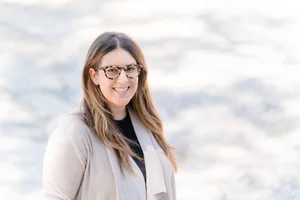 Molly Binenfeld, LMFT (CA #151728) — leads and is the only clinician here who takes eating disorder cases. About half her caseload is disordered eating. Previously Director of Clinical Services and Primary Therapist at Alsana: An Eating Recovery Community, and Marriage and Family Therapist at Exodus Recovery Crisis Residential Treatment Program. Currently Clinical Director and Senior Primary Therapist at an intensive outpatient program for college students. Member of IAEDP with specialty-level training in DBT and in assessing suicidality. CBT, DBT and Compassion-Focused Therapy; weight-inclusive throughout.
 Judy Tam, AMFT (CA #137633) — treats the perfectionism, people-pleasing, and cultural-expectation patterns that often live upstream of disordered eating, especially in Asian American and immigrant-family clients. If food is not the primary presentation but sits underneath a broader accommodation pattern, she is often the right starting point.
 Julia Melvin, AMFT (CA #137797) — brings Internal Family Systems to body image and self-criticism where disordered eating is not the primary diagnosis but body-related shame is doing significant work. Also works with chronic illness, where relationship-to-body is a forced ongoing negotiation.
 Danielle Miller, AMFT (CA #144995) — treats the OCD-spectrum food and body patterns where the rules function as compulsions. If food thoughts feel more like intrusive-thought-and-compulsion than like a diet, she is the right room.
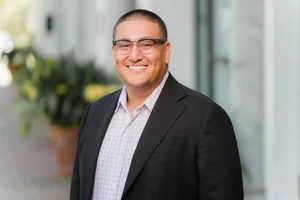 Fidel Quintanilla, AMFT (CA #125756) — takes the male body image and men's disordered eating end, which is undertreated across the field. High-achiever burnout and men's mental health are his named specialties.
All associates are supervised by Jasmeet Bhullar, LMFT #117019.
Because we don't solicit client testimonials as a policy, the voices below are from former students and clinical colleagues — the people who have watched Jasmeet and Fidel teach and consult on the clinical work that also sits underneath disordered eating (perfectionism, control, shame, and family systems). What they describe is the same clinical presence our clients meet in session.
"The thoughtfulness, organization, and content of the class I took with Professor Bhullar was unparalleled. He has an amazing way of commanding the classroom with warmth and authenticity while also making room for discussion, curiosity, and differing points of view." Katie Byam, MFT Trainee on Jasmeet Bhullar, LMFT
"I had the privilege of learning from Jasmeet Bhullar who left a lasting impact on me; their insights and guidance have been invaluable to my personal and professional growth. Jasmeet creates a thoughtful and calm environment when discussing a variety of therapeutic topics." Sophia Moritz, MA in Psychology Student on Jasmeet Bhullar, LMFT
"Professor Quintanilla has a unique authenticity in his interactions, and an ability to convey genuine empathy and caring while staying true to his values and supporting his students and clients." Hayden Forster, MFT Trainee on Fidel Quintanilla, AMFT
Our approach at Align.
We draw on CBT for the food rules and thinking patterns, DBT for emotion regulation, Compassion-Focused Therapy for the shame underneath, and ACT and IFS for the parts and values below the surface. Weight-inclusive and non-diet throughout. When medical oversight is needed, we coordinate with physicians and dietitians.
Sessions are weekly, 50 minutes, online, with a California-licensed therapist who's yours alone. $200 per session.
Who we work with.
Adults in their 20s and 30s whose relationship with food has quietly taken over — including the people whose patterns look like wellness from the outside. We work with sub-clinical disordered eating as readily as diagnosed eating disorders, and we believe you don't have to be "sick enough" to deserve help.
What we don't do.
We provide weekly outpatient talk therapy at the weight-inclusive, non-diet end of the field. We are not the right fit for:
- Active medical instability — unstable vitals, dangerous weight, electrolyte disturbance. That needs a treatment team, not talk therapy first
- Daily structure or meal support — if the pattern needs daily contact to interrupt, or you cannot eat without support in the moment, that is what IOP, PHP, and residential programs are built for
- Nutrition planning or meal prescription — that is a registered dietitian's role. We coordinate with one; we do not replace one
- Medical monitoring, including weight — that is a physician's role. The person weighing you should not also be the one you talk to about your body
- Minors — our practice is adults in their 20s and 30s
- Weight-loss coaching — we don't do it, and any therapist who offers it under the guise of eating disorder treatment is not doing eating disorder treatment
If any of the above is where you are, we will say so on the consultation call and help you find the right setting. Molly's prior roles at Alsana and Exodus Recovery mean she knows the California residential and IOP landscape from inside.
If you are in crisis: call or text 988 for the Suicide and Crisis Lifeline. The National Alliance for Eating Disorders Helpline is 1-866-662-1235 (Monday–Friday, 9am–7pm ET) and provides free, confidential support and referrals to eating disorder treatment.
Disordered eating therapy — common questions.
Do I have to have a diagnosed eating disorder to come?
No. Much of what we treat is sub-clinical — the patterns that don't meet diagnostic criteria but still run your life. You don't have to be "sick enough." If food and body are taking up more space than you'd like, that's enough.
What are the three functions disordered eating serves?
In our practice we describe disordered eating as almost always serving one of three functions. Control — when life feels out of control, food becomes the one thing you can regulate. Regulation — food as comfort, distraction, punishment, or numbing when feelings become too much. Worth — the internal equation where being good means eating right or your body looking right. The clinical implication matters: you cannot remove the food behavior without building another way to meet the function it was serving. This is why "just eat normally" does not work, and why weight-inclusive therapy targets the function rather than the behavior.
What does weight-inclusive, non-diet care mean?
It means we don't treat weight loss as a goal or health metric, and we don't prescribe diets. We focus on your relationship with food, body, and self — not on changing your body to fit an external standard.
Can disordered eating be treated online?
Yes, for most presentations. Some severe eating disorders need medical oversight or a higher level of care; if so, we'll help you find it and can work alongside that team. For most disordered eating, online therapy is effective.
Isn't my eating just about discipline and health?
It can be hard to tell from the inside — disordered eating often disguises itself as wellness. If the rules cause distress, drive guilt, or organize your life, that's worth exploring, regardless of how healthy it looks.
Will you make me eat things or weigh me?
No. We're a talk-therapy practice using a weight-inclusive approach. We don't weigh you or impose food rules. When meal support or medical monitoring is needed, we coordinate with the right specialists.
When is disordered eating too severe for weekly outpatient therapy?
When medical stability is a concern, when restriction or purging happens daily, when meal support is needed to eat at all, or when the pattern needs daily structure to interrupt — those are signs a higher level of care (residential, partial hospitalization, or intensive outpatient program) will serve you better than weekly sessions. We'll tell you honestly on the consultation call, and we'll help you find and coordinate with the right setting.
More resources.
- The food noise — Molly Binenfeld, LMFT — on the second job nobody applied for, weight-neutral care, and food thoughts in the Ozempic / GLP-1 era
- The exhausting yes — Judy Tam, AMFT — on the people-pleasing pattern that often sits upstream of disordered eating
- How to choose an eating disorder therapist — NAED's guidance and the source of the questions above
- The National Alliance for Eating Disorders — the primary US advocacy and support organization for eating disorders. Their helpline: 1-866-662-1235
- National Institute of Mental Health — the primary research and information source on eating disorders
- International Association of Eating Disorders Professionals (IAEDP) — the professional organization Molly belongs to
If you are in crisis, please don't use this page as your point of contact. Call or text 988 — the Suicide and Crisis Lifeline. For eating disorder support and referrals: the NAED helpline at 1-866-662-1235.
Related specialties.
- Anxiety & overthinking — the worry that often runs alongside disordered eating
- OCD & intrusive thoughts — where food rules function as compulsions
- People-pleasing — the accommodation pattern often upstream of disordered eating
- Depression — the low mood and flatness that often accompany chronic disordered eating
- Identity & cultural belonging — for the family and cultural messages about body and food
- All topics & patterns — the full list of what we work with